Loading…
2026 September 10-11 | Tokyo, Japan
View More Details & Registration

IMPORTANT NOTE: Timing of sessions and room locations are subject to change.
Thursday September 10, 2026 10:05 - 10:30 JST
Automating scientific research is one of the most important uses of AI agents, and as agents grow more autonomous, it is quickly becoming realistic. We can already let an agent run research that takes hours or even days.
The main challenge is not whether the agent finishes, but how much we can trust the results it reports. A result that looks successful may come from a misunderstood setup or a manipulated metric. Checking it by hand is hard, and asking another agent to check it only moves the problem one step further.
Being too strict is also risky. A good idea does not always give results quickly, and it is easy to find reasons to call a result a failure. A system that rejects too easily throws away promising research, while ideas that lead nowhere should be stopped early. Balancing proper rejection and reliable acceptance is the hardest part of automated research.
Based on my experience running agentic research-automation systems, I will explain how these problems appear in long-running tasks and the approaches we are developing to keep research reliable.
You will leave with a practical framework for trusting and using long-running autonomous agents in research and beyond.
Speakers
avatar for Wataru Kumagai

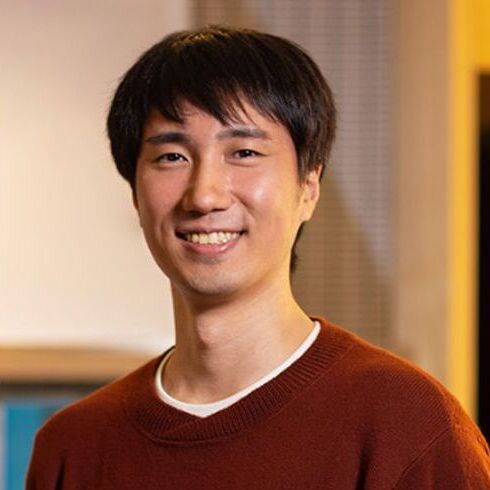
Wataru Kumagai

Chief Research Officer, NexaScience
Wataru Kumagai is Chief Research Officer at NexaScience, a Japanese AI startup building agent execution infrastructure, and a Senior Research Scientist at RIKEN. He works on automating the machine learning research pipeline with multi-agent systems. His interests center on the reliability... Read More →
Thursday September 10, 2026 10:05 - 10:30 JST
Hall C

  Building Reliable Agent Systems

Sign up or log in to save this to your schedule, view media, leave feedback and see who's attending!

Share Modal

Share this link via

Or copy link